
Mark’s Score 8.9
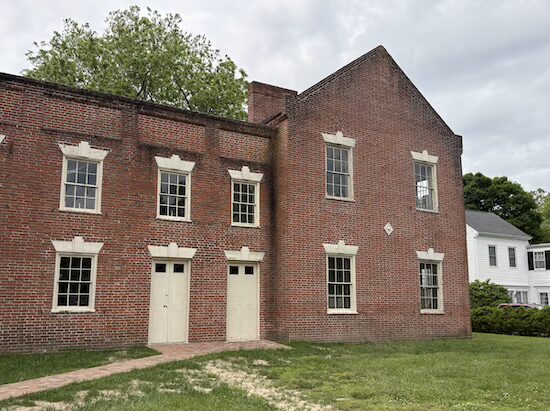
On my first visit to Princess Anne, I was walking downtown and I turned down Prince William Street. At the end of the street stood an impressive neo-classical building. There was no sign indicating what it was, and it was obviously unoccupied. At the time, I thought it might have been a boarding school. It was only later, while having lunch at Sugar Water, I learned that it was the Teackle Mansion.
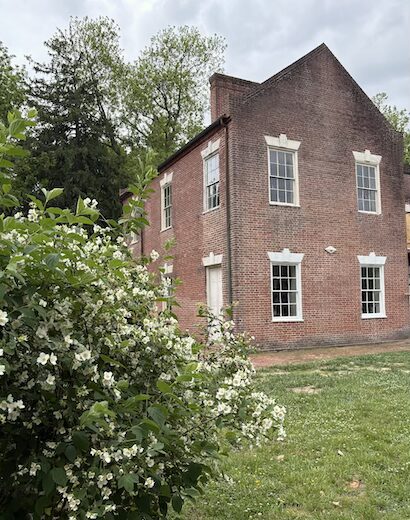
The Teackle’s were a wealthy merchant family from Virginia, in 1802 Littleton Teackle and his wife Elizabeth moved to Princess Anne and commissioned the construction of the 10,000-square-foot (929 sq meters) mansion, it was not completed until 1819. The house is recognized as one of the finest examples of neo-classical design on the Delmarva. After Littleton died in 1819, the family fortunes went into decline, forcing the family to sell the property. Over the years the building deteriorated and was, at one point, converted into apartments. The building was added to the National Register of Historic Places in 1971. Eventually the Somerset County Historical Society purchased the building and completed restoration in 1996.
I had been trying to visit this museum for some time, but it is only open on weekends in the summer and fall, and I just never seemed to be in Princess Anne at the right time. After several failed attempts, I decided to just make a special visit to Princess Anne to visit this museum. As luck would have it, I picked the day of the high school prom, so the front lawn was littered with a number of well-dressed teenagers, using the museum as a backdrop for prom photos.
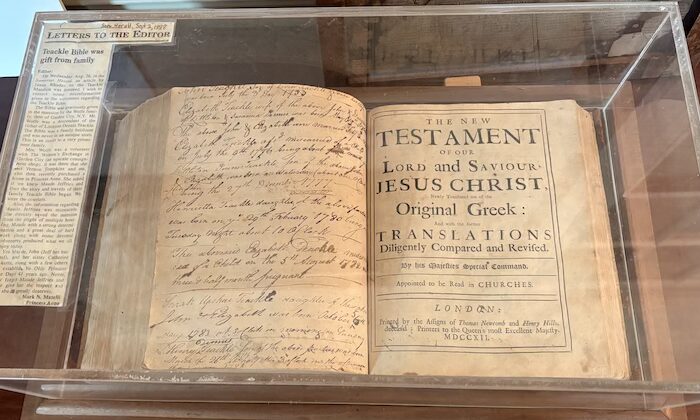
I always have the same objective when I visit small-town museums. I hope to learn something about the community, and I hope to get a better contextual understanding of the town. I also enjoy learning some historical trivia, in that regard Teackle did not disappoint.
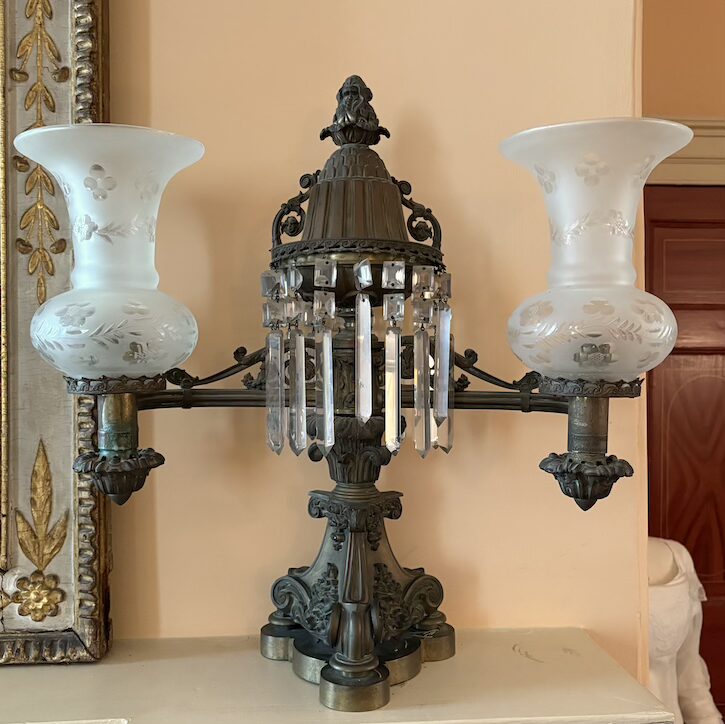
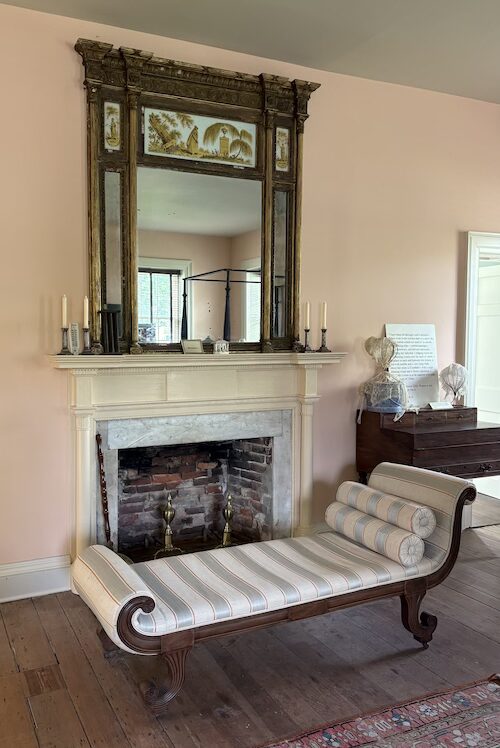
At one point the Treackle Estate encompassed the majority of the western side of Princess Anne. The estate gate was located a block down present-day Prince William Street. The Teackle’s chose this location because Princess Anne was the center of commerce for the lower shore in the early 1800s. I learned that during this period, it was common to paint grain work on doors and faux marble on the baseboards and there are excellent examples of both at Teackle. As for the trivia, I learned that whale oil lights produced a white light in contrast to the yellow light of candles. I also learned that pen knives are called pen knives because they were used to sharpen quill pens.
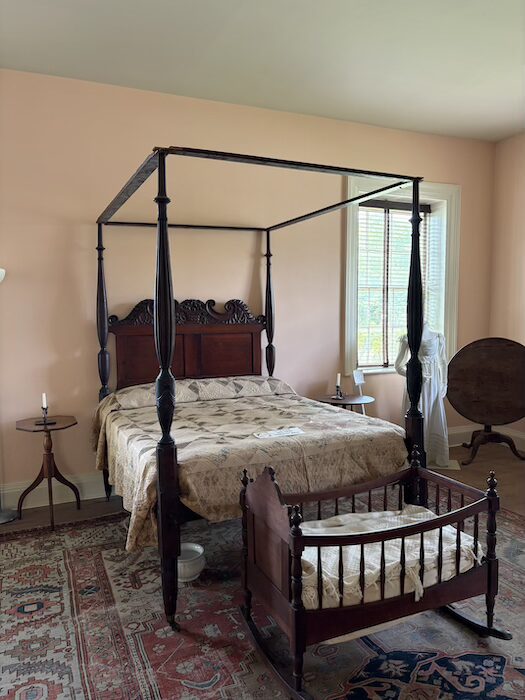
Normally I like to wander on my own, but this museum only allows guided tours. I generally find museums themed on a mansion less interesting but the shear enthusiasm of the well-trained docents thoroughly charmed me and I walked away having achieved my goal. I have a better understanding of Princess Anne and the reason for its existence. Therefore, I am glad I made the effort to visit.
What else is there to do in Princess Anne?


Leave a Reply