
Mark’s Score 8.9
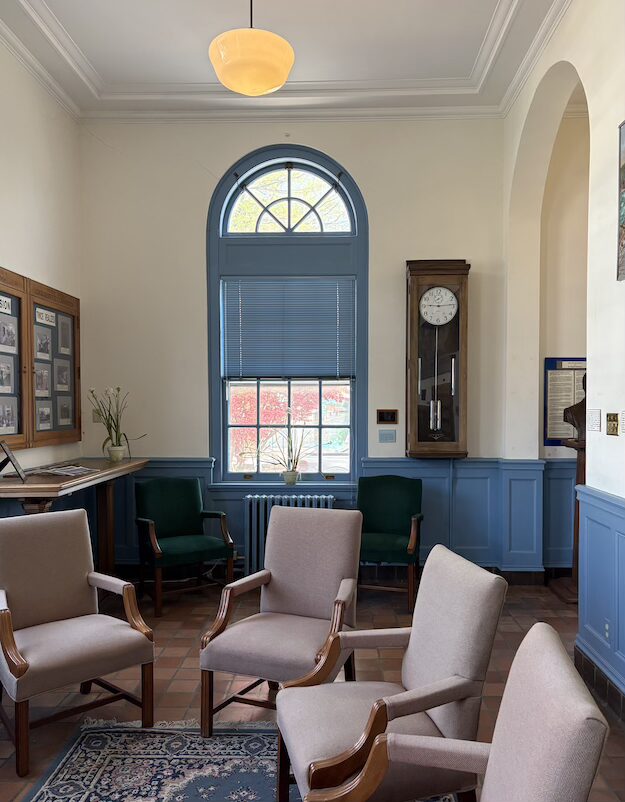
Seaford is a 45-minute drive, and it is not near any of the peninsula’s tourist areas, or even on the way to those areas, so I have to make a special effort to visit. The first time I saw Seaford I was unimpressed. But as time has passed, and I took the time to explore, I have come to appreciate its charms. I had been meaning to visit the Seaford Museum for months, I finally made a special trip specifically to visit the museum a week ago.
The Seaford Historical Society purchased the old post office downtown in 2001 and opened it as the Seaford Museum in 2003. They intended to use the building to display historical items that the society had been collecting since 1972. The collection chronicles the entire history of Seaford covering the major themes of its past (native Americans, maritime life, agriculture and canning, railroads, the underground railroad, and the nylon industry) weaving a tapestry that defines modern Seaford.
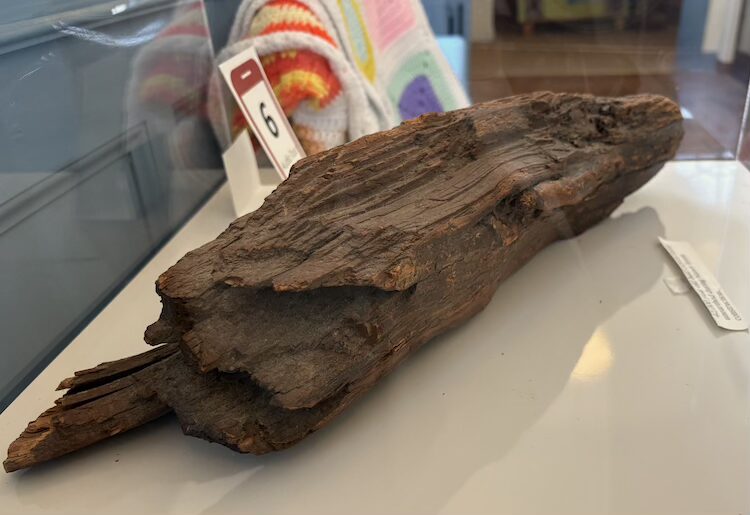
The historical society purposely kept intact the features of the old post office. The front end of the building still looks like the original post office. On the wall above the customer counter is a mural by Jack Lewis depicting life in Seaford over the years. You turn left upon entering, walk through the old post office lobby, then follow a pre-set meandering path that leads you through time, ambitiously starting in prehistoric times with the display of a piece of cypress wood estimated to be 45,000 years-old.
As you wind through the time maze you pass through history in chronological order. The staff is entirely volunteer, but there is nothing amateurish about the displays. The displays are professionally curated, using a QR code at the entrance you can access a very informative, and mercifully brief narration for each display.
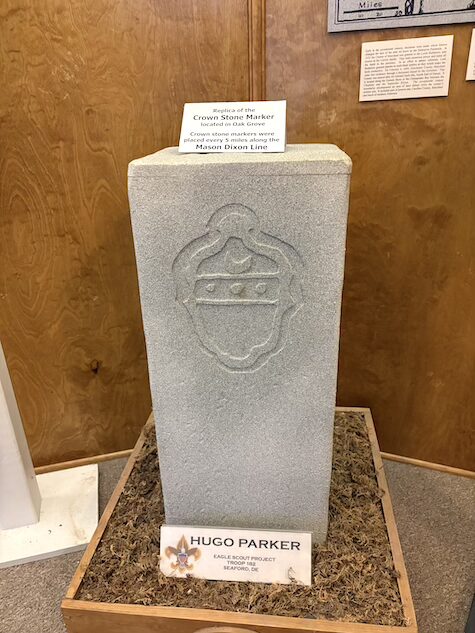
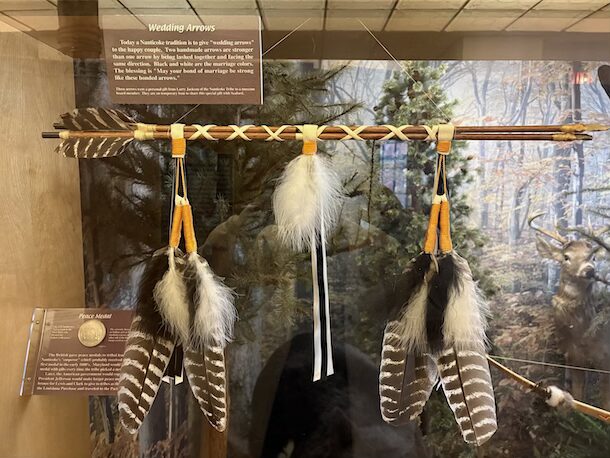
There is not enough space here to recount all of the material displayed. I go to these small-town museums in a quest to learn interesting historical tidbits about the place I call home. For instance, I learned that the Nanticoke’s used to give “wedding arrows” to newly married couples. Wedding arrows are two arrows bound together, signifying that two arrows bound together are stronger than one. There is a display containing a “Crown Stone” Marker. These stones were placed every 5 miles (8 kilometers) along Maryland’s border with Pennsylvania and Delaware, marking the location of the Mason-Dixon Line, and the informal border demarcating the North and South. My favorite display was the display recounting the story of local woman Martha Cannon. Martha pretended to work for the underground railroad. However, in truth, she kidnapped free black people and sold them into slavery. Most small-town museums focus only on the positive. Kudos to this museum for the courage to display a negative historical fact.
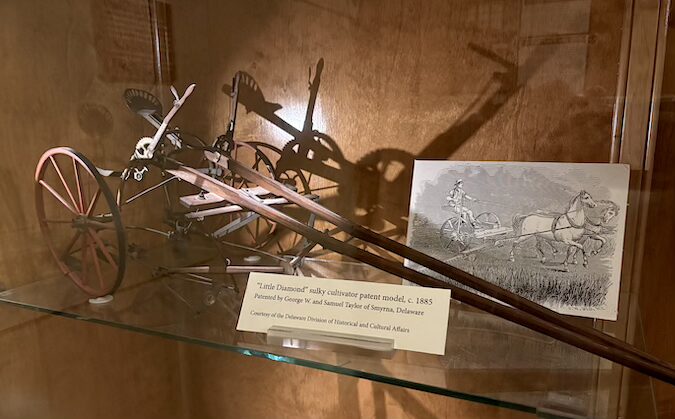
This museum has been lovingly and professionally curated and ambitiously recounts the entire history of Seaford. I came away having learned some interesting facts about our past; what more could you ask of a history museum? It was well worth the visit.
What else is there to do in Seaford?
Leave a Reply