
Mark’s Score 8.8
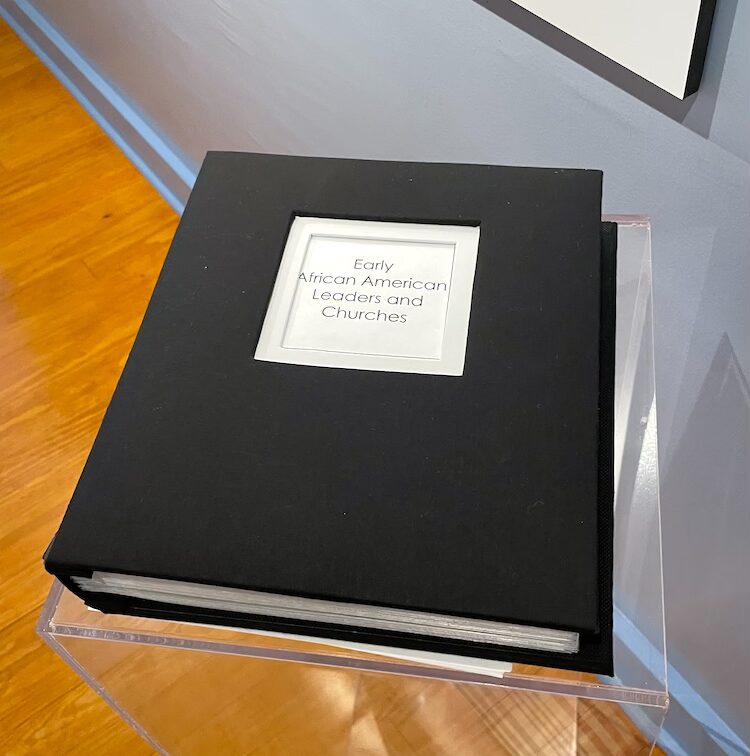
I enjoy the history focused museums on the peninsula. I was born in New England, the historical context here is very different than the historical context of New England. When I grew up in New England in the 60s, New England was still very white. The historical struggle for the freedom of slaves was not central to the historical context of New England. New England’s historical context was centered on the religious struggles of the English reformation. That context was only reinforced by our struggles with the French colonies to the north. But here the historical context of slavery, and civil war are front and center.
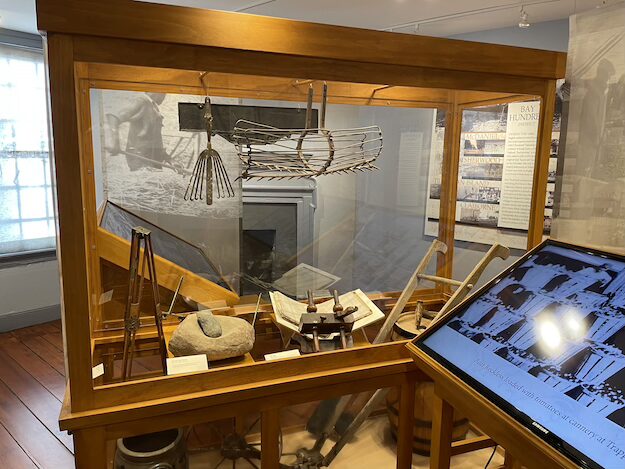
The Talbot Historical Society was established in 1954 with the mission to preserve the heritage of the eastern Shore. The society’s collections are housed in three locations, the Mary Jenkins House (believed to be the oldest frame house in Easton), the Denton Extended Museum and Hill Research Center, and the James Neall House (currently closed).
The Denton Extended Museum and the Jenkins House are practically across the street from each other and I visited both on a beautiful crystal-clear fall day. I was expecting a smalltown museum with a few locally significant exhibits, something that would give me a no frills feel for the soul of Easton. That is not what I found. Instead, I found a beautifully curated and professionally organized series of aesthetically pleasing exhibits.
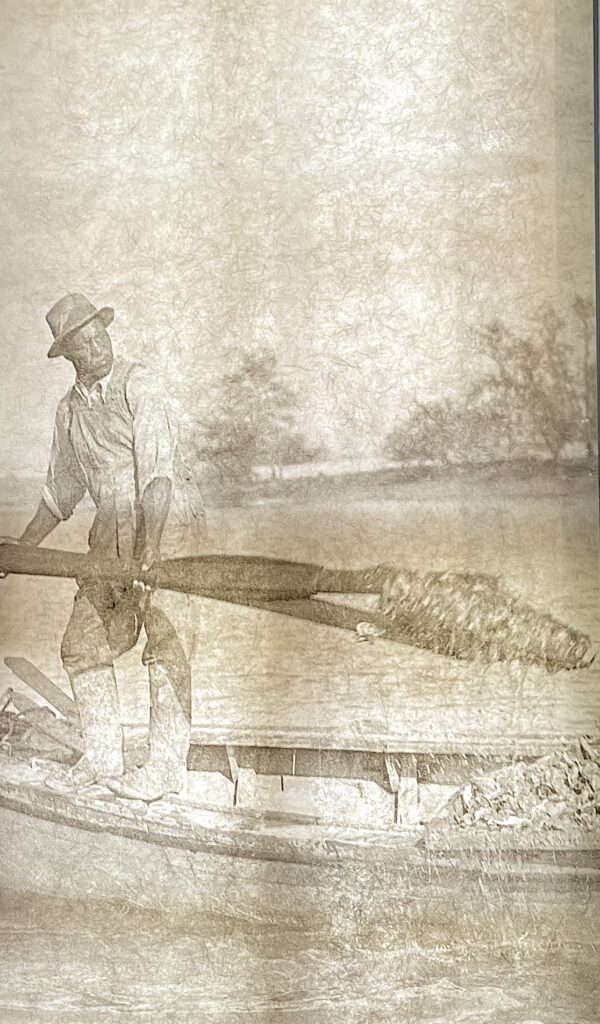
The story is more important than presentation, but I would be remiss not to mention the use of lithographed window shades to depict the Talbot County story. The person who came up with this idea was brilliant. The bright autumn sun shining through the shades created an ethereal and moving portrayal of everyday life in Talbot County. It was a pictorial presentation of the ghosts of the past.
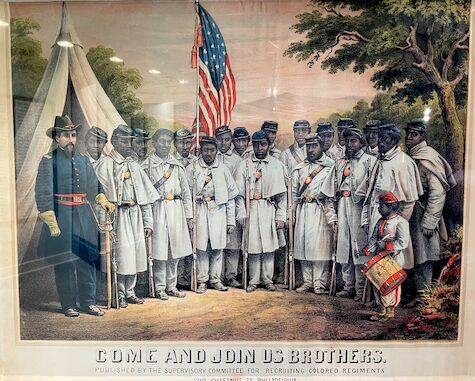
The Denton Extended Museum is currently running an exhibit on the Talbot County United States Colored Troops. Apparently, the US Government did not allow blacks to serve in the Union forces until 1863. They did so at the urging of Fredrick Douglas, a Easton’s local son. Eventually 180,000 black men served in the Union Army, 600 of which came from Talbot County. There were four conscriptions during the war, and each county was given a quota. Talbot County filled its quota on the first round. The docent attributed this to the fact that 44% of blacks in Talbot County were “free blacks.” She attributed this high percentage to the fact that the Quacker and Methodist movements had a large following in Talbot County. Both movements were anti-slavery.
One interesting side note, black soldiers were paid $10 per month, from which they had to buy their own uniforms. White soldiers were paid $13 and got their uniforms for free. I walked away with facts I had never known. I rate museums on whether or not I was entertained and educated. That makes the Talbot Museum a winner in my book, it was entertaining and educational.
What else is there to do in Easton?
Leave a Reply